

The best time to seed lawn East Tennessee is from late August through mid-October, when cooling temperatures and increased moisture provide the perfect environment for seed germination. This fall window allows cool-season grasses to establish deep root systems before the onset of summer heat; early spring serves as a secondary window if necessary.
Watching your hard work wither under the relentless Tennessee sun is a frustration every homeowner in the Knoxville and Maryville areas knows too well. In our challenging transition zone, simply spreading seed and hoping for the best is a losing game plan that leads to patchy turf and wasted investment. Success requires a tactical approach to timing, as the window for optimal growth is much narrower than most residents realize. This guide breaks down the winning strategy for your landscape by identifying the prime fall seeding window and exploring the specific conditions required for a successful spring backup. You will learn how to navigate local soil challenges, the role of core aeration in your playbook, and exactly when to bring in professional expertise to ensure your lawn achieves varsity status this season.
Understanding the East Tennessee Transition Zone Challenge
Growing a lush, green lawn in Maryville or Knoxville presents a unique set of obstacles because our region sits directly in the transition zone. This geographic belt represents a climate crossroads where it is often too hot for northern grasses to thrive in the summer and too cold for southern varieties to stay green in the winter. As educators and high school baseball coaches, the team at Home Field Advantage approaches reliable property maintenance with the same discipline we bring to the dugout. We know that a championship field is the result of strategic preparation and precise timing rather than luck.
Success starts with understanding that not all turf is created equal. Most lawns in Blount County consist of either Tall Fescue, which is a cool-season grass, or warm-season varieties like Bermuda and Zoysia. Because these species have different growth cycles and temperature requirements, determining the best time to seed lawn East Tennessee properties depends entirely on the specific grass type in the yard. Much like a coach must adjust a game plan based on the opponent and the weather, property owners must time their seeding to match the physiological needs of their turf. This ensures the grass has a chance to establish roots before the next extreme weather shift arrives.
The Prime Window: Why Fall is the Best Time to Seed Lawn in East Tennessee
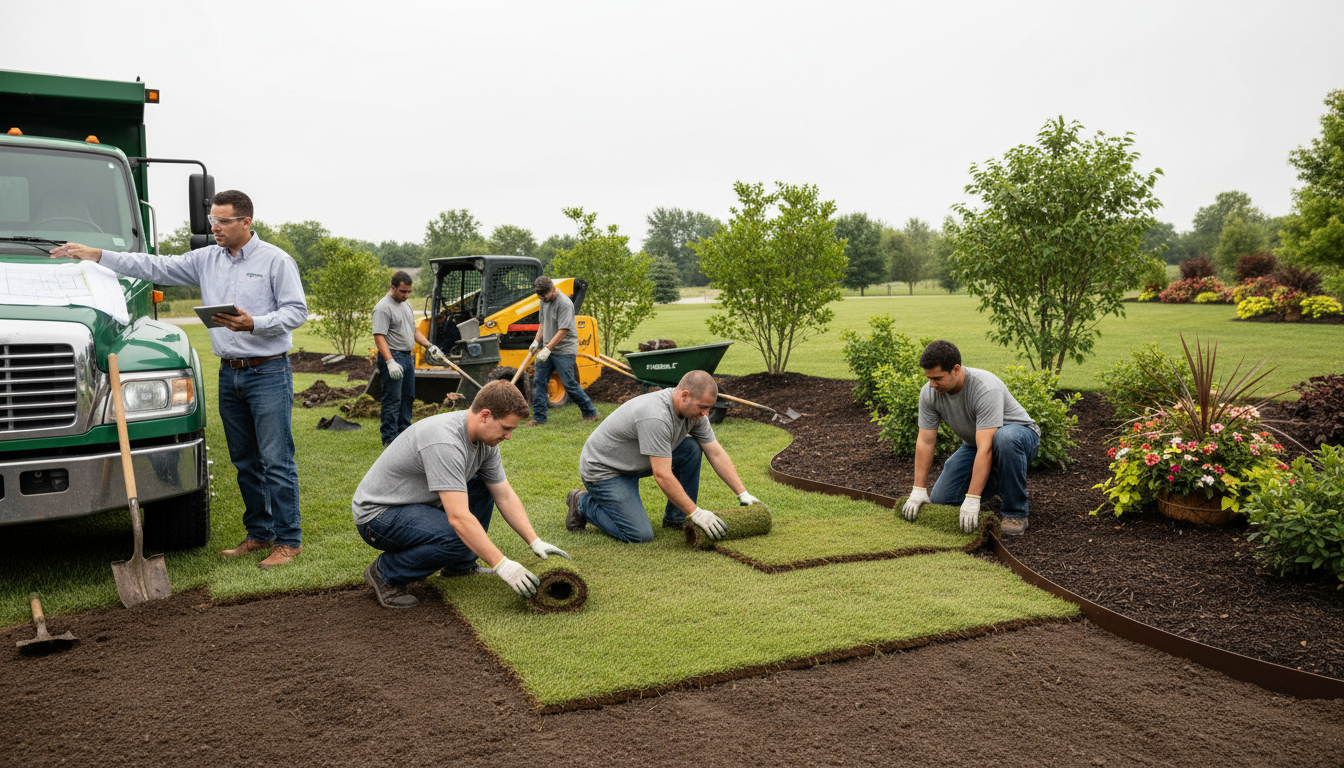
For the vast majority of Maryville residences where Tall Fescue is the primary turf, the period from late August to mid-October represents the championship season. This window is the best time to seed lawn East Tennessee yards because it capitalizes on a unique atmospheric balance. While the summer heat begins to break, the ground itself retains significant warmth from the previous months. Ideally, you want soil temperatures to remain between 50 and 65 degrees Fahrenheit for optimal growth. These conditions trigger rapid germination, allowing the new blades to emerge into air that is cool enough to prevent the debilitating heat stress that often kills off spring seeded grass.
Timing your professional lawn care and landscaping services for the fall also provides a strategic advantage against invasive species. In East Tennessee, aggressive summer weeds like crabgrass and foxtail naturally die off as the days shorten and temperatures drop. By seeding during this window, your fescue does not have to compete for nutrients, sunlight, or space. It allows the young plants to focus entirely on root development. Think of it as the ultimate off-season training program; while the top growth might slow down during the first frost, the root systems continue to deepen and strengthen throughout the winter months.
This root establishment is critical for surviving the intense Tennessee summers that lie ahead. A lawn seeded in September has roughly nine months to mature and harden off before it faces the humidity and drought of July. If you wait until spring to start your project, you are essentially asking a rookie plant to perform in pro level heat without an adequate foundation. By taking advantage of this autumn window, you ensure your property has the durability needed to stay green and healthy when the temperatures eventually climb back into the nineties next year.
Spring Seeding: The Backup Plan for Warm Season Grasses
While fall is the primary season for fescue, late spring acts as the strategic window for warm-season varieties like Bermuda and Zoysia. For these grasses, the best time to seed lawn East Tennessee yards begins in late April and extends through June. This timing aligns with our rising temperatures, ensuring the soil is warm enough to wake these varieties from dormancy and trigger consistent growth.
Attempting to seed fescue in the spring is often a losing game in Blount County. The young, tender blades rarely have enough time to establish deep roots before the July humidity arrives; this usually results in Brown Patch fungus and heat stress that can wipe out a new lawn in weeks. Conversely, Bermuda and Zoysia thrive in the scorching Tennessee sun. They are built for the mid-summer grind, using the heat to spread and thicken their canopy through stolons and rhizomes.
Selecting the right variety comes down to auditioning the right grass for your property’s specific conditions. Much like a coach evaluates a player’s speed and agility before assigning a position, you must assess your yard's sun exposure. Bermuda requires full, direct sun to perform, making it a star player for open backyards. If your lawn is heavily shaded by mature oaks or maples, it may not make the cut, regardless of the season. By choosing the right species for the right spot and timing your reliable property maintenance for the spring heat, you set the stage for a lawn that remains resilient even in the peak of summer.
Preparation is Everything: Soil Testing and Core Aeration
In baseball, a player does not walk onto the field on opening day without weeks of conditioning. The same logic applies to your yard. Simply spreading seed over the surface of our local red clay is a waste of resources. East Tennessee soil is notoriously dense and prone to compaction, which creates an impenetrable barrier for new roots. Core aeration is the essential first step for any professional lawn care and landscaping services project. By using a machine to pull small plugs of soil from the ground, we break up that compaction and create thousands of small pockets. These openings allow air, water, and nutrients to reach the root zone, but more importantly, they provide the necessary seed to soil contact for germination. Without these pockets, seed often sits on the surface where it dries out or washes away during a heavy rain.
Physical preparation is only half the battle; the chemical makeup of your dirt determines if that seed actually thrives. We recommend a professional soil test to measure your pH levels before the season begins. Blount County soils are naturally acidic, and when pH drops too low, the grass cannot absorb the nutrients present in the fertilizer. Adding lime is a common requirement in this region to neutralize acidity and unlock the soil's potential. Think of this as the pre-season conditioning that fans never see. It is the grueling, behind the scenes work that sets the foundation for a winning season. Taking these steps ensures that when the best time to seed lawn East Tennessee arrives, your property is prepared to support new growth rather than stifling it.
The Playbook for Successful Germination
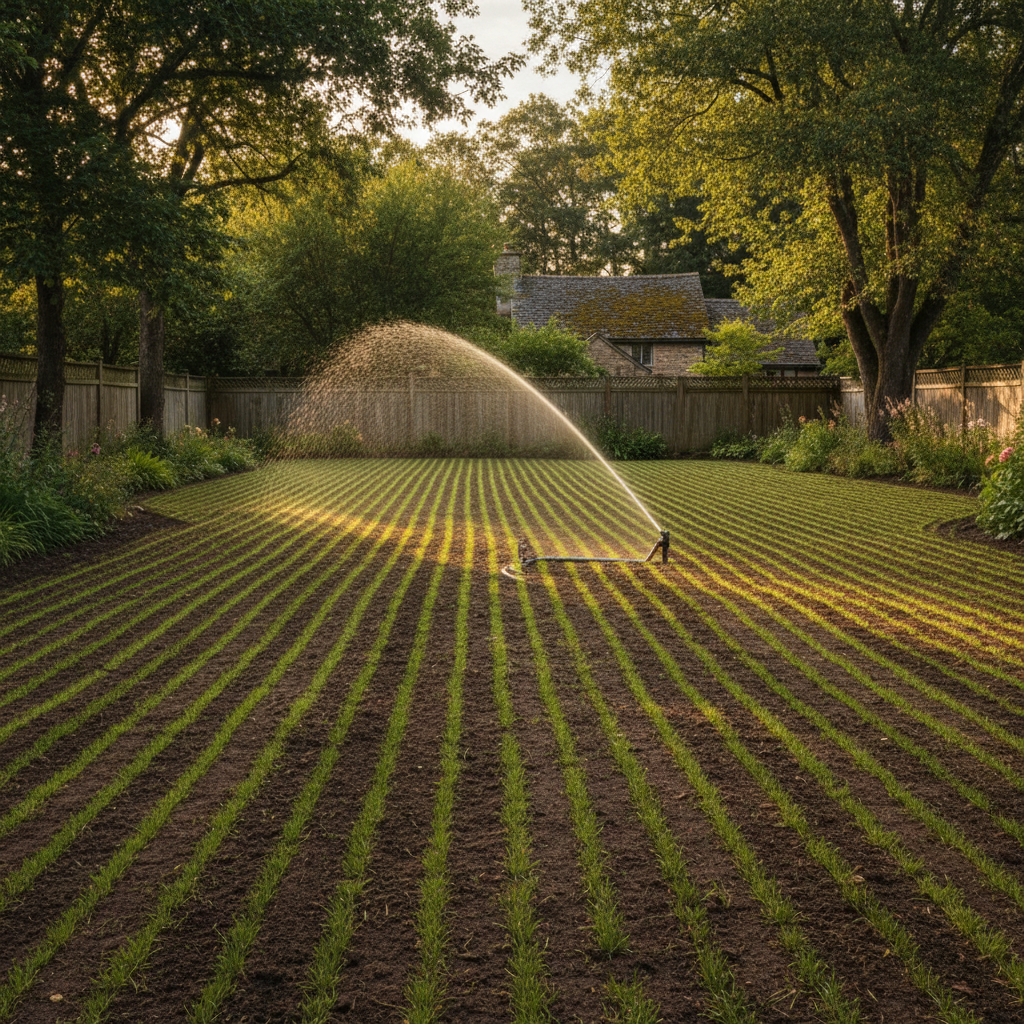
Once the soil is prepped and the seed is distributed, you have reached the most critical phase of execution. Even if you hit the best time to seed lawn East Tennessee yards, the crop will fail without a disciplined watering schedule. Think of this as the daily practice required to maintain a lead in the late innings. For the first 14 to 21 days, your goal is to keep the seed bed consistently moist. This requires light and frequent watering, often twice a day for 10 to 15 minutes, to ensure the top inch of soil never dries out. Once the seedlings reach approximately two inches in height, transition to a deep and infrequent schedule. This shift encourages the roots to push deeper into the heavy clay to find moisture, building the foundation for long term drought resistance.
The quality of your roster matters as much as your coaching. We always recommend using high quality, weed free seed blends specifically engineered for the Southeast transition zone. These professional grade seeds are tested for our local humidity and soil types, unlike generic bags that often contain a high percentage of filler or invasive weed seeds. To support this new growth, apply a starter fertilizer rich in phosphorus. This provides the immediate nutrients required for rapid root expansion and early plant development.
Finally, monitor the local radar closely. Our heavy Appalachian rainstorms can wash away a significant investment in minutes. On sloped areas, using weed free straw or a light dusting of peat moss can help anchor the seed in place. For homeowners seeking reliable property maintenance, these protective layers act as a defensive strategy, ensuring that a sudden downpour does not reset your progress to zero.
When to Call in the Varsity Team for Your Maryville Lawn

The timing for the best time to seed lawn East Tennessee properties often clashes with the busiest weeks for local families. Between school schedules, youth sports, and professional obligations, finding the window to properly aerate, seed, and fertilize can feel like a secondary job. A high quality lawn requires consistent discipline and precise execution, qualities that are often difficult to maintain when life gets in the way.
Home Field Advantage bridges this gap by applying a coach led, systematic approach to every project. We understand that a successful yard is not the result of a single afternoon’s effort, but rather a series of well timed, high effort actions. Our team utilizes professional grade equipment, including high performance core aerators that penetrate the dense clay found in neighborhoods like Royal Oaks and Smithview. These commercial machines achieve the depth necessary for root establishment, which standard rental equipment often fails to reach.
Choosing professional lawn care and landscaping services allows you to focus on your own schedule while ensuring your property receives expert attention during the most critical seasonal breaks. We bring the same dedication to your turf that we bring to the baseball diamond, focusing on the fundamentals of soil preparation and timing. If you are looking for reliable property maintenance that prioritizes results over shortcuts, our varsity team is ready to step onto your field. We know the local terrain, the local climate, and exactly what it takes to win the battle against East Tennessee’s challenging transition zone.